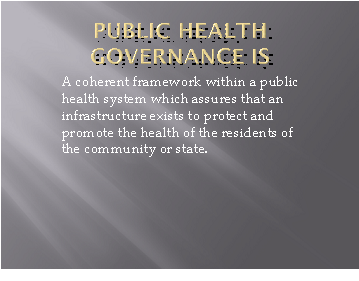
Boards of all kinds are critical to the successful functioning of their organizations or agencies. In the area of public health, many of these boards have been ineffective. Although many of these health boards were conceived as governing bodies as far back as the late 1700’s by the early board member Paul Revere, they have not understood their missions. Boards have been places for older persons to take on a service role in a retirement pay back to the community philosophy. Many board members have been appointed du e to their support for a county commissioner. This post will begin a discussion on what a board need to be in the future. First, a board member is a trustee of the community that he serves. He/she should not see themselves as volunteers with little authority or responsibility. Trustees make policy and volunteers usually do not. Board members need to be leaders with management and leadership experience. Policy-making is an important leadership role.Second, boards are governing bodies.
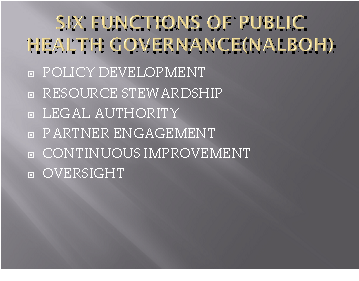
Third, boards of health have six functions which have been designated by the National Association of Local Boards of Health. The six functions are listed in the next table.
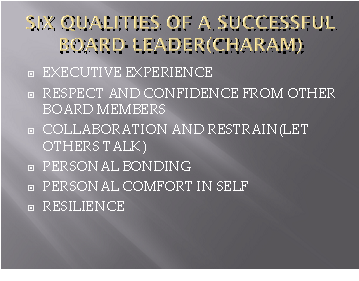
Finally, the characteristics of a board member as a leader has been discussed in detail by Charam and colleagues in the book “BOARD LEADERSHIP.”
I will be discussing boards in more postings in future months.


 Posted by rowitzonleadership
  Rowitz On Leadership